Unpaid & uncertain: Psychological impacts of federal shutdowns

By Tricia Stortz
December 2nd, 2025
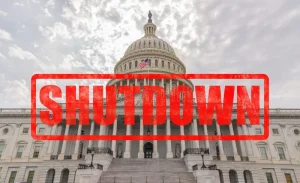
On the morning of October 1, 2025, hundreds of thousands of federal employees woke up unsure if they would see a paycheck or if their jobs would continue to exist. The longest government shutdown in U.S. history lasted 43 days, furloughing roughly 670,000 workers and forcing another 730,000 to keep working without pay, according to The New York Times.

While the financial strain was immediate, experts warn that abrupt job loss can destabilize more than income. Routines collapse, social ties fray, and even a person’s sense of identity can be shaken, with potentially lasting psychological effects.

David Blustein, Ph.D., professor of counseling and educational psychology at Boston College and a leading expert in the psychology of work, said that employment provides far more than income.

“Work provides opportunities to contribute to the broader social good, structure daily life, and foster social connections and identity,” he explained. When jobs are suddenly suspended, all these pillars can feel at risk, leaving workers disoriented and anxious.

Blustein’s interest in career development grew from his own upbringing in a first-generation, working-class family in Queens. “I was drawn to the field of career development… as a way to give back to my family, to my community,” he said. His early exposure to labor-market instability shaped both his academic path and his understanding of how deeply work permeates daily life and personal identity.

Adults spend more time at work than in almost any other activity outside of sleep, Blustein noted. Employment can provide accomplishment and structure, but it also exposes individuals to hierarchical pressures and systemic inequities.

“A lot more people in this country live paycheck to paycheck than most of us may think,” he added, highlighting how financial instability can intensify the impact of sudden work interruptions.

“Even if it is a furlough and they believe that they’re going to get back to work, it feels like the earth beneath their feet is no longer solid. Losing one’s work often means loss of resources for survival, loss of social connections, loss of structure,” Blustein said.

He pointed out that returning to work may require more than logistical adjustments; it can involve emotional recalibration, periods of uncertainty, and reflection on one’s purpose.

During unemployment, Blustein recommends practical steps: maintaining daily routines, keeping social ties strong, exercising, and using downtime for skill-building. He emphasized the importance of recognizing structural causes behind job loss to prevent self-blame.

“Being out of work often leads people to feel like they’re responsible, even though in this case it’s clearly not their fault,” he said.

The consequences can be particularly significant for vulnerable populations. “People who are living paycheck to paycheck… they’re going to struggle the most,” Blustein noted. Beyond individual coping, he advocates for stronger worker protections, ongoing career development programs, support for unions, regulation of gig work, and preparation for labor shifts driven by AI.

Blustein also urges mental health professionals to integrate work issues into therapy. “Psychologists who haven’t been trained in career development or psychology of working should try to learn more about these fields,” he said.

Recognizing how deeply work shapes daily life and wellbeing is essential for systems, organizations, and clinicians, so they can effectively support employees when that role is suddenly disrupted. “Clients deserve therapists who can really understand their work-related challenges,” Blustein added.

Leave a Reply

Your email address will not be published. Required fields are marked *